The UK Government has set ambitious targets to transform the national electricity system, aiming to fully decarbonise the power sector by 2035. Achieving this transition requires not only expanding renewable generation but also ensuring the grid remains stable, resilient, and capable of meeting changing energy demand.
Grid stability is essential to everyday life, yet much of the infrastructure that keeps electricity flowing reliably operates behind the scenes. Our goal is to ensure that consumers benefit from secure, affordable, and low-carbon energy without needing to think about the complex systems that make it possible.
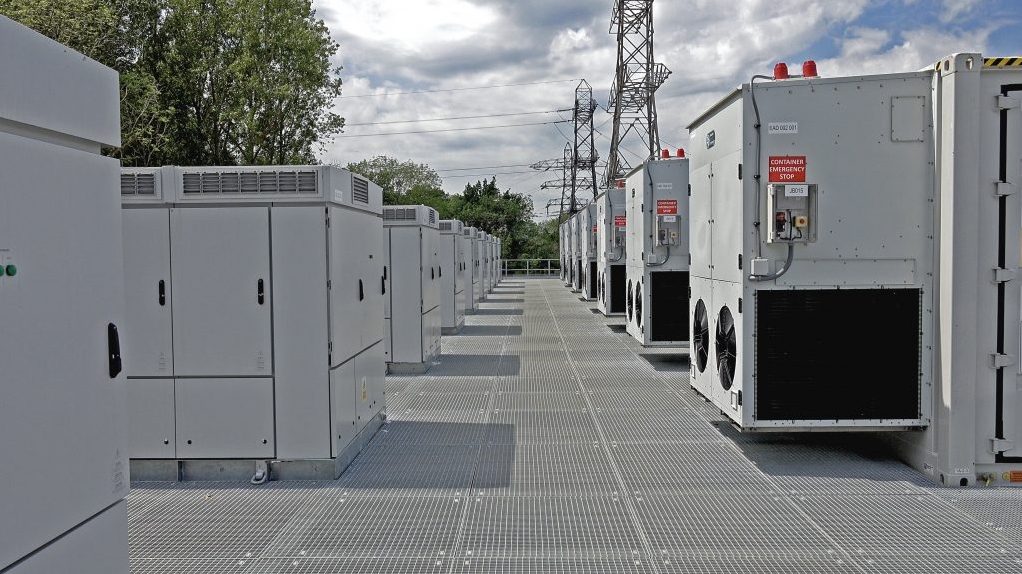
Innovative solutions known as Greener Grid Parks are being developed at strategic locations across Great Britain. These facilities integrate advanced infrastructure—particularly Battery Energy Storage Systems (BESS)—to strengthen network resilience and support the transition to a cleaner energy future.
Key objectives of this transformation include:
Reducing reliance on fossil fuels and imported energy sources
Delivering up to 95% low-carbon electricity by 2030 as a major milestone toward net zero
Maximising renewable energy generation from sources such as wind and solar
A low-carbon electricity grid is fundamental to tackling climate change. While renewable technologies are central to this transition, their variable nature means they must be supported by flexible technologies such as BESS and grid-stabilisation equipment. These systems respond instantly to fluctuations in supply and demand, ensuring continuous electricity delivery while keeping costs competitive for consumers.
At present, Great Britain still relies heavily on fossil gas generation to balance the grid. However, the Intergovernmental Panel on Climate Change warns that global emissions must be significantly reduced by the early 2030s to limit warming to 1.5°C above pre-industrial levels.
To meet the UK’s net-zero commitments—and to deliver the additional benefits of improved energy independence and more stable energy prices—the country must reduce
